The Greens Radical Rhetoric: Neoliberalism in a Compostable Jacket
How much is a radical reputation worth when it refuses to touch the levers of ownership? We are often told that the Green Party of England and Wales represents the last bastion of principled, transformative politics in an era of stultifying centrism. Their Leader, Zack Polanski, moves through the media with the ease of a man who believes his own press releases, speaking of wealth taxes and a “fairer” economy. Yet, when one peels back the organic, hand-knitted layers, the core is not Green; it is the same cold, grey steel of the market.
The central contradiction of modern Green politics was laid bare at their recent party conference. While the country shivers under the extortionate weight of privatised energy bills, the Green membership voted against the nationalisation of the energy industry. It is a staggering admission. They wish to save the planet, but they are terrified of inconveniencing the speculators who currently own it.
That single decision tells you more about the party’s economic philosophy than a hundred conference speeches.
Nationalising Energy

Energy is the backbone of any economy. Control energy, and you control industry; control industry, and you control wages, growth, and regional development. Lose control of energy, and you surrender your economy to markets, speculators, and foreign shocks.
Britain today is a perfect example. We are more exposed to global price swings than most developed countries because we surrendered energy security to the market. The current conflict in Iran is a reminder that energy policy is not just about climate targets or tariffs on bills; it is about national resilience, economic stability, and political independence.
Every serious socialist movement in history understood that energy is not just another industry; it is the foundation of the entire economy. The Attlee government nationalised coal, rail, steel, and energy because it understood that without control of infrastructure, there is no economic democracy.
Norway built a state energy company and turned oil wealth into a sovereign wealth fund worth over a trillion dollars. France nationalised EDF and created one of the cheapest and most stable electricity systems in Europe.
These were not symbolic policies; they were structural changes that shifted power from markets to the public. So when a party that calls itself radical votes against public ownership of energy, we should be honest about what that means. For those who claim the Greens offer the best hope for socialism, understand this clearly: that is not socialism. That is market environmentalism.
Of course, energy nationalisation comes at a cost. Buying back infrastructure, compensating shareholders, and rebuilding a publicly run system is not cheap. But the real question is not how much nationalisation costs; it is whether we can afford not to do it. The cost of this so-called free market has already been enormous: runaway inflation driven by energy prices, billions in subsidies flowing to private energy firms, collapsing industrial competitiveness, and oligarch-style profiteering during a cost-of-living crisis.
We are already paying for privatisation every single month on our energy bills. Nationalisation is not the expensive option; it is the cheaper option in the long run. The free market in energy has not produced efficiency or security, only higher prices and private monopolies with guaranteed profits.
The Myth of Radicalism
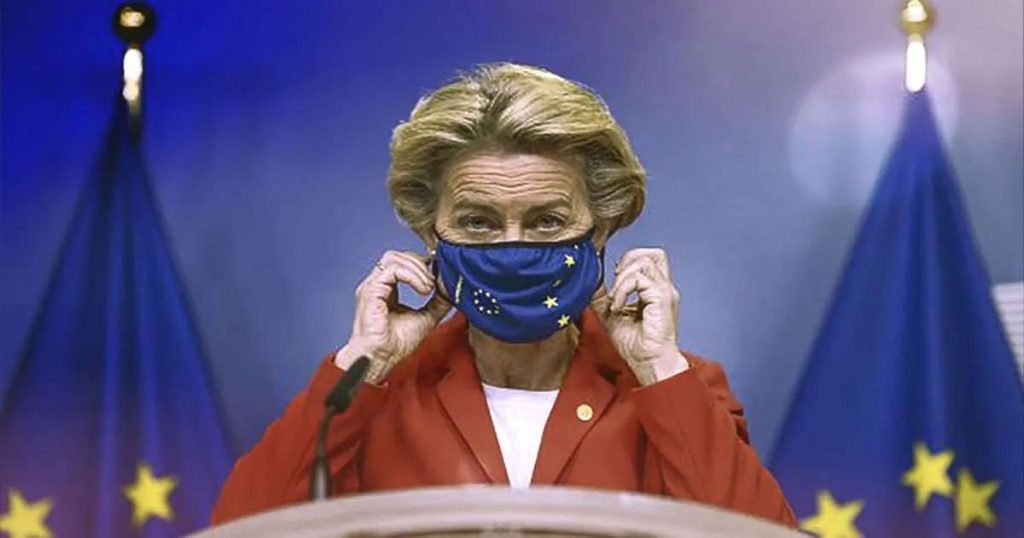
To understand the Green Party, first look at what they do, not what they promise. In his recent interviews, Polanski outlines a vision that includes rejoining the European Union, a project fundamentally built on the four freedoms of capital, labour, goods, and services. It is a neoliberal framework designed to prevent the very state intervention required for a true socialist transition.
By tying their mast to the EU and rejecting the public ownership of energy, the Greens have signalled their true identity. They are not a party of structural reform; they are a party of administrative adjustment. They want the status quo, but with more cycle lanes and a slightly higher tax bracket for the wealthy. They offer the illusion of change without the discomfort of a class struggle.
The Energy Betrayal

The refusal to back nationalisation is the “smoking gun” of their neoliberal orientation. One cannot solve a climate crisis through the same market mechanisms that created it. Private energy firms are legally bound to prioritise shareholder dividends over the public good or environmental preservation.
By opting for a “Left-ish” posture while maintaining the sanctity of private property in the energy sector, Polanski and his peers are engaging in a form of political theatre. They are providing a “safe” outlet for the disillusioned voter, ensuring that even the most fervent environmental anxiety is channelled back into the safety of the capitalist consensus.
The Counterargument: A Question of Pragmatism?

The Greens would argue that they are being “pragmatic” or that “community energy” is a more democratic alternative to state-run monoliths. This is a seductive but hollow defence. Community projects, while noble, cannot provide the massive, coordinated infrastructure overhaul required to decarbonise a G7 nation.
Without state ownership, “community energy” simply becomes a series of fragmented niche markets operating within a wider privatised grid. It avoids the central question of power: who controls the heights of the economy? The Green answer, it seems, is anyone but the public.
The Silent Consensus

Ultimately, Zack Polanski’s Greens represent a sophisticated version of the status quo. They are the “polite” face of the neoliberal order, designed for those who find the Tories distasteful and Labour uninspiring, but who are not yet ready to demand a total redistribution of power.
We are faced with a party that wants to paint the fence green while the house is structurally unsound. They speak of a wealth tax, yet they refuse to seize the very assets that generate that wealth. They are a party of the middle class, by the middle class, for the middle class; offering a conscience-clearing vote that guarantees nothing will actually change for the working man in the North or the Midlands.
If you want to save the environment, you must first break the power of the markets. The Greens have shown us, quite clearly, that they have no intention of picking up the hammer.
The Green Party: a luxury boutique for radical aesthetics, but the same old management in the back office.
Enjoyed this read? I’m committed to keeping this space 100% ad-free so you can enjoy a clean, focused reading experience. Crafting these articles takes a significant amount of research and heart. If you found this helpful, please consider a “small donation” to help keep the lights on and the content flowing. Every bit of support makes a huge difference.

Support Independent Journalism Today
Our unwavering dedication is to provide you with unbiased news, diverse perspectives, and insightful opinions. We're on a mission to ensure that those in positions of power are held accountable for their actions, but we can't do it alone. Labour Heartlands is primarily funded by me, Paul Knaggs, and by the generous contributions of readers like you. Your donations keep us going and help us uphold the principles of independent journalism. Join us in our quest for truth, transparency, and accountability – donate today and be a part of our mission!
Like everyone else, we're facing challenges, and we need your help to stay online and continue providing crucial journalism. Every contribution, no matter how small, goes a long way in helping us thrive. By becoming one of our donors, you become a vital part of our mission to uncover the truth and uphold the values of democracy.
While we maintain our independence from political affiliations, we stand united against corruption, injustice, and the erosion of free speech, truth, and democracy. We believe in the power of accurate information in a democracy, and we consider facts non-negotiable.
Your support, no matter the amount, can make a significant impact. Together, we can make a difference and continue our journey toward a more informed and just society.
Thank you for supporting Labour Heartlands